Experience - Explore Engage
This course uses an experiential education model because we think that for students to understand places and people, they should experience a region’s complexity directly, develop questions that enable exploration and feel engaged the learning process.
A place where oceans and continents connect: Panama and Costa Rica are vital to the global economy, and home to some of the most biologically intense ecosystems on Earth.
As political and economic empires fought to control the region’s natural wealth and strategic location, the people of both countries have worked to ensure they have a voice in shaping their own future.
Experience
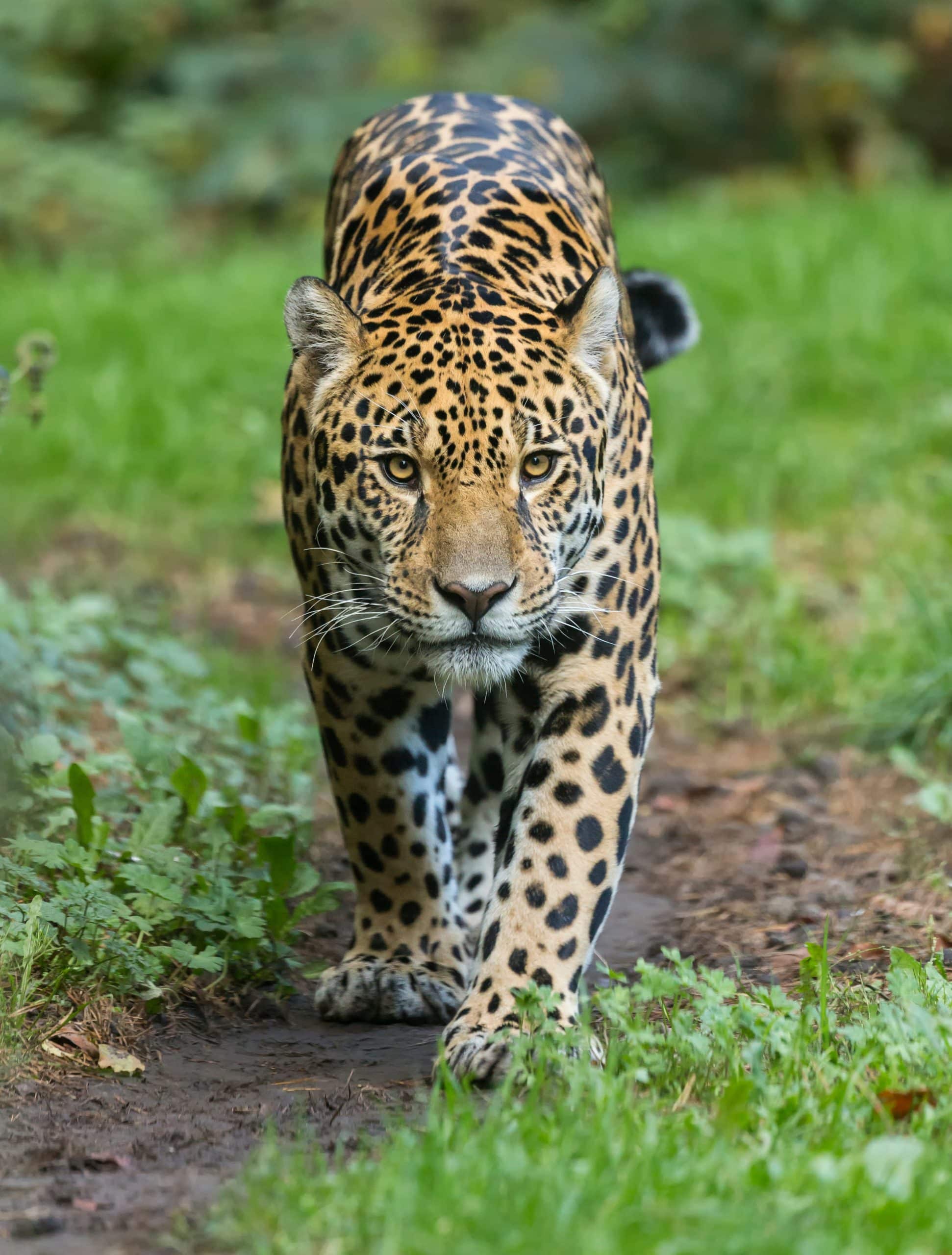
“Having the opportunity to work with Juan Carlos on his jaguar project at Osa Conservation was life changing. It broadened my idea of what was possible with my major.”
Our partner organizations have deep ties to the communities we visit. This allows students access to activities that are hands-on, learning in a way that is applied and powerful. While each travel component is different, each day of every trip will have lived experiences that give depth to the course learning goals in a way texts, images or classroom lectures never could.
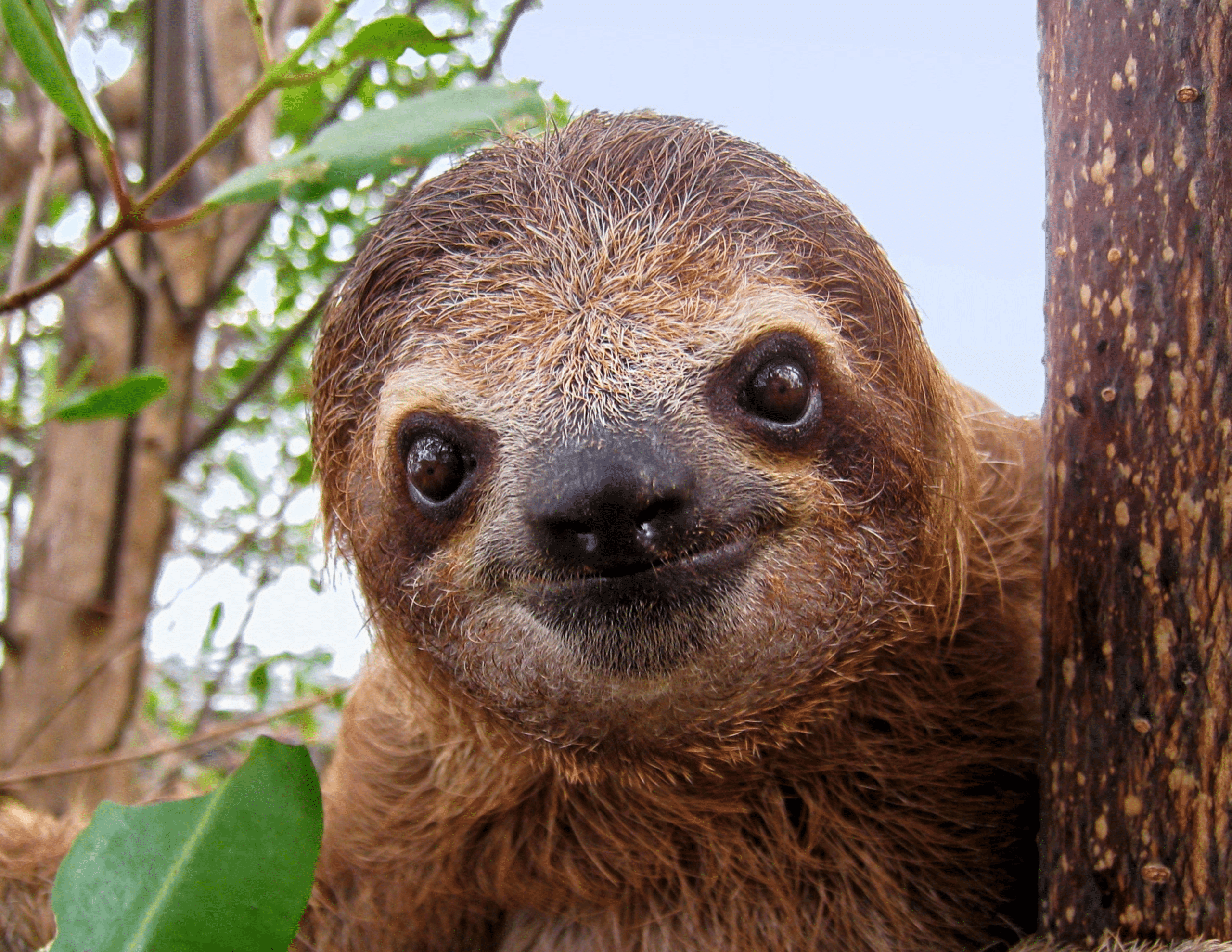
we love sloths but...
…this trip isn’t for them. Each day is spent in the field gathering data to answer our core questions. Here are just some of the places we visit to gain a fuller understanding of the context of community development.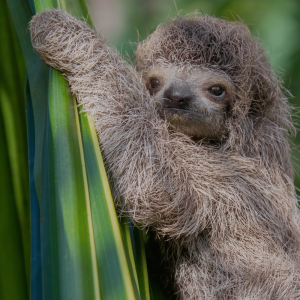
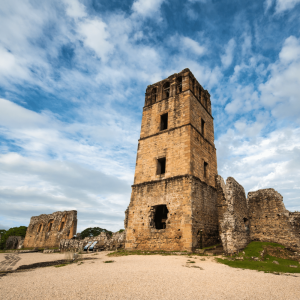
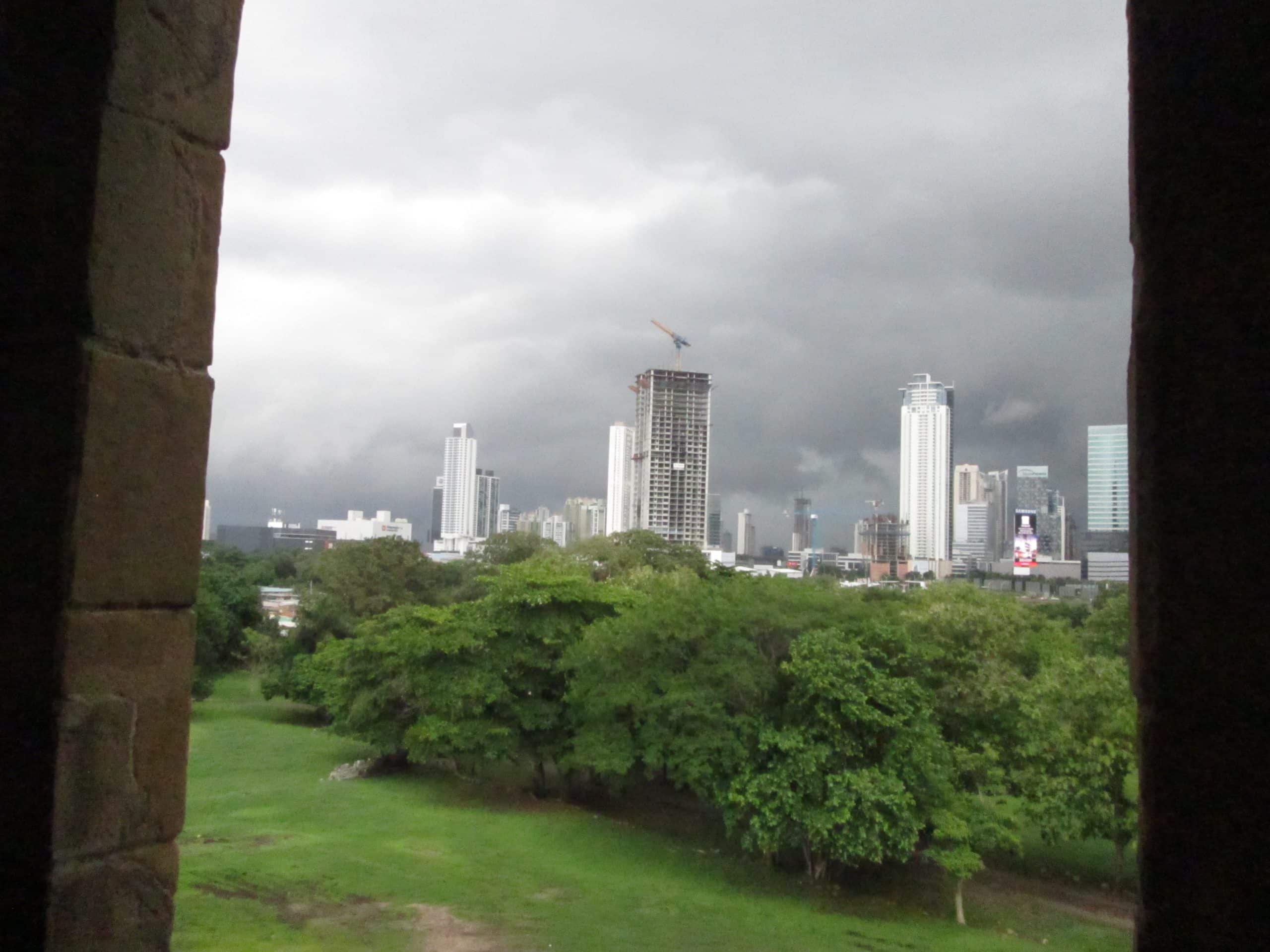
A window into history...
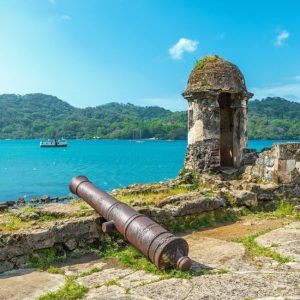
Panama Vieja is a museum and historical site that explores the first Spanish settlement established in the 1500s and which was later sacked by pirate Henry Morgan.
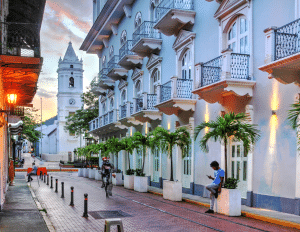
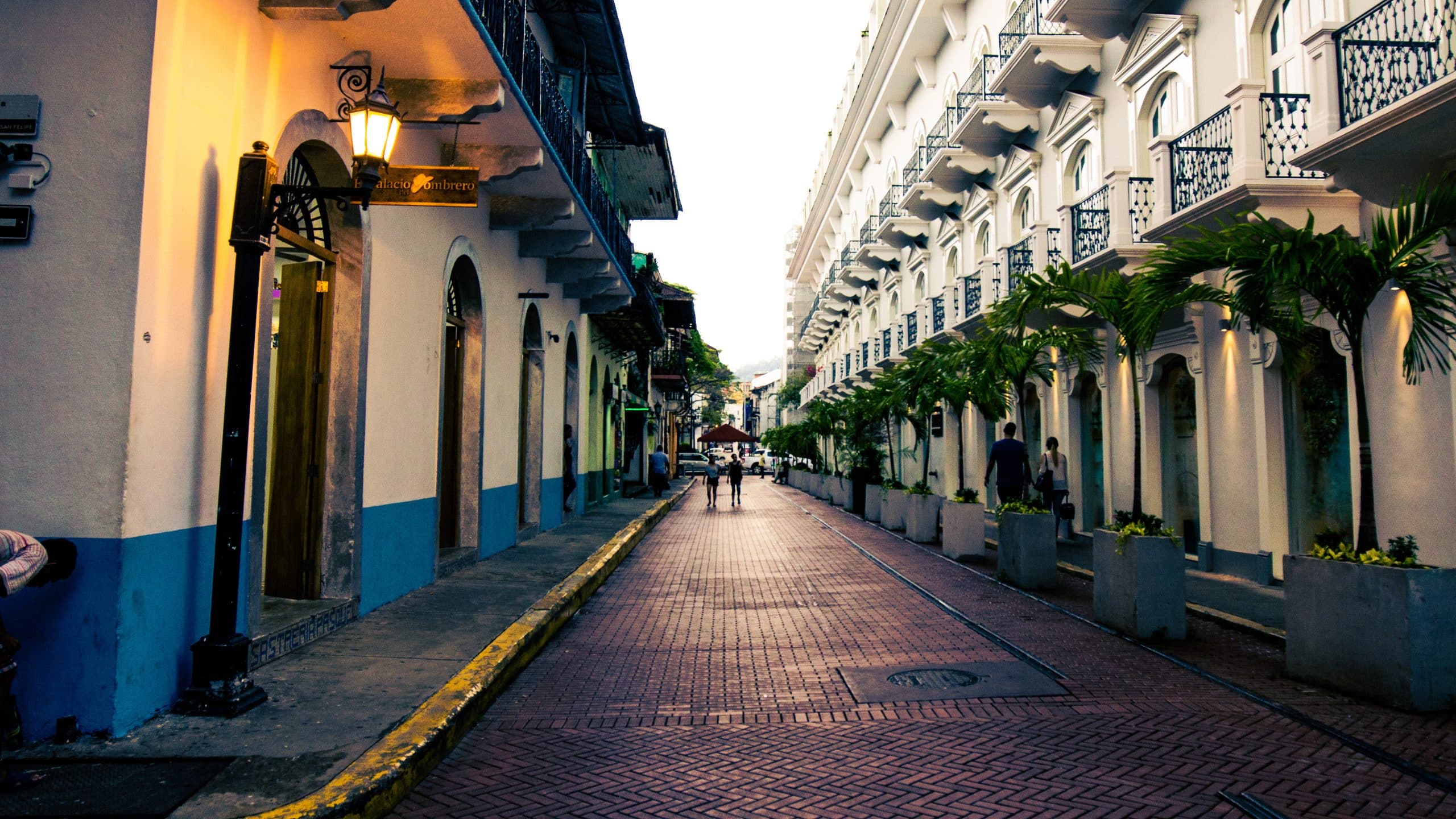
Casco antiguo
Created after the destruction of Panama Vieja this historic district of the capital city is the oldest European settlement on the Pacific.
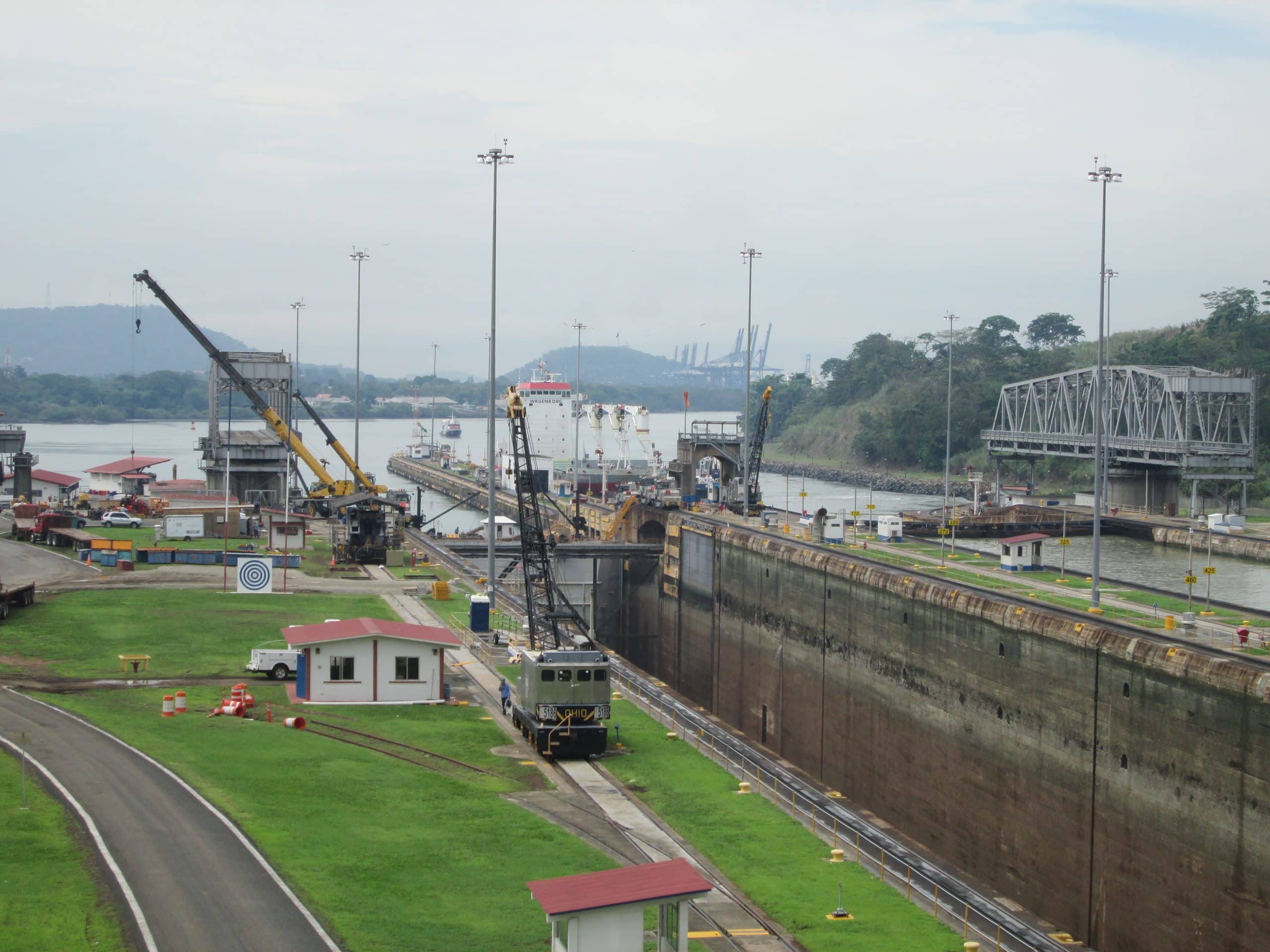
Panama Canal
Owned and operated by Panama since 1999 the canal connects the Pacific on the South of the Country to the Caribbean and Atlantic on the North.
biomuseo
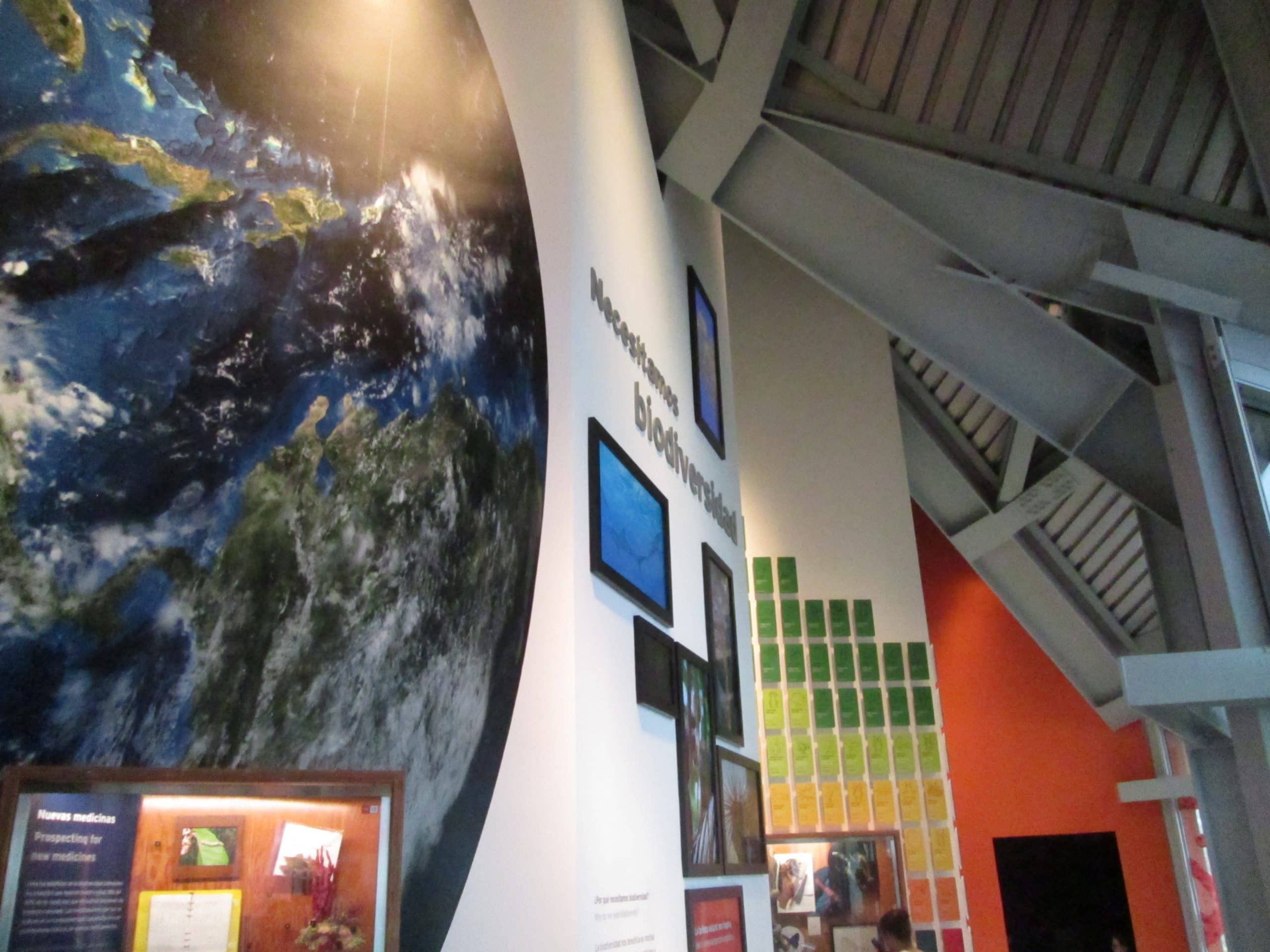
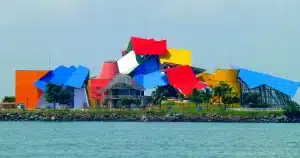 Designed by Frank Gehry this ambitious modern museum tells the natural history of the Panamanian isthmus and celebrates the region’s incredible biodiversity.
Fort San Lorenzo
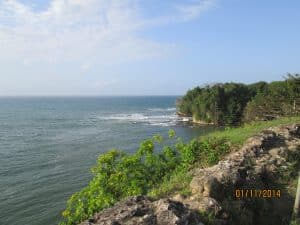
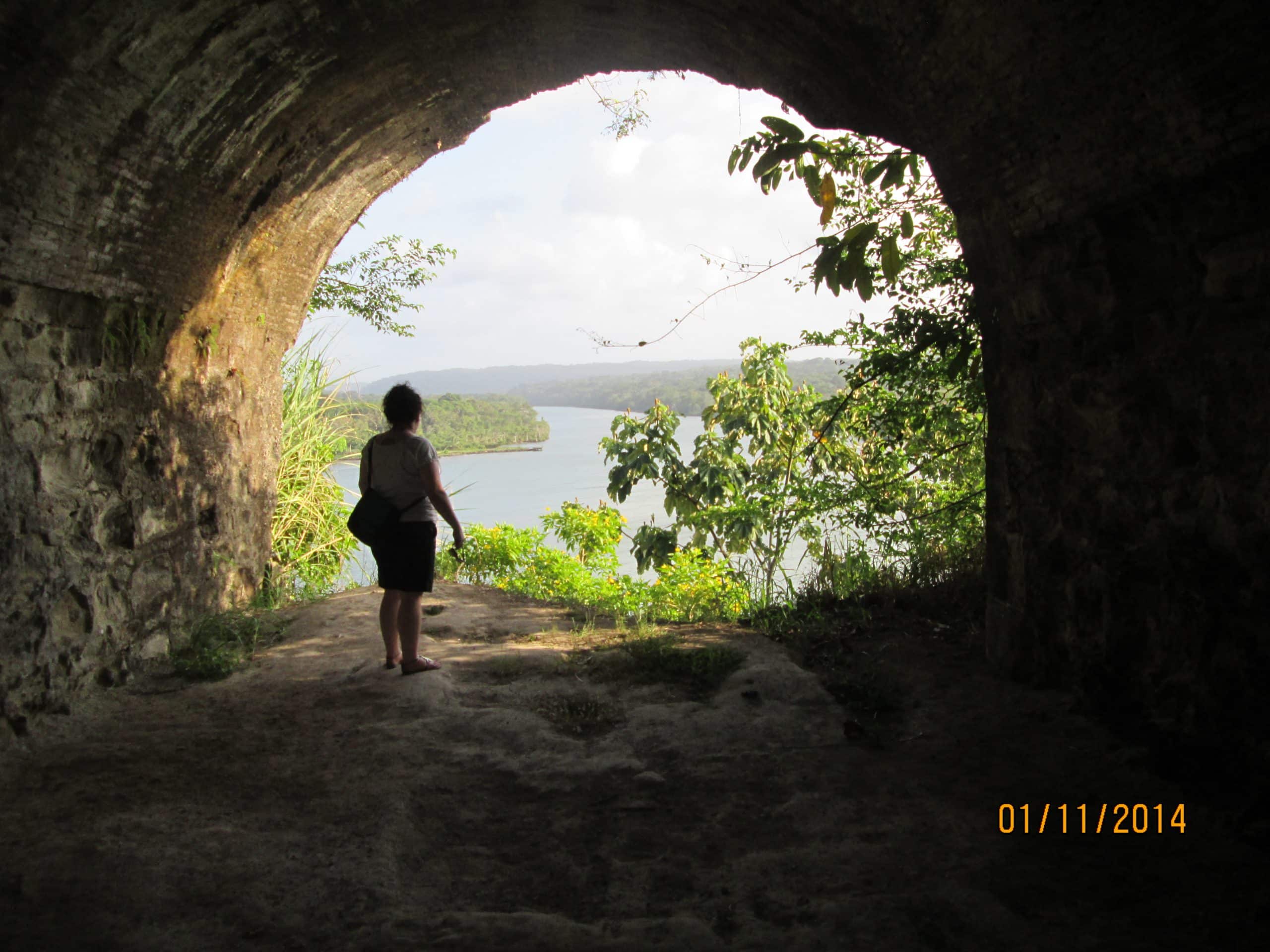
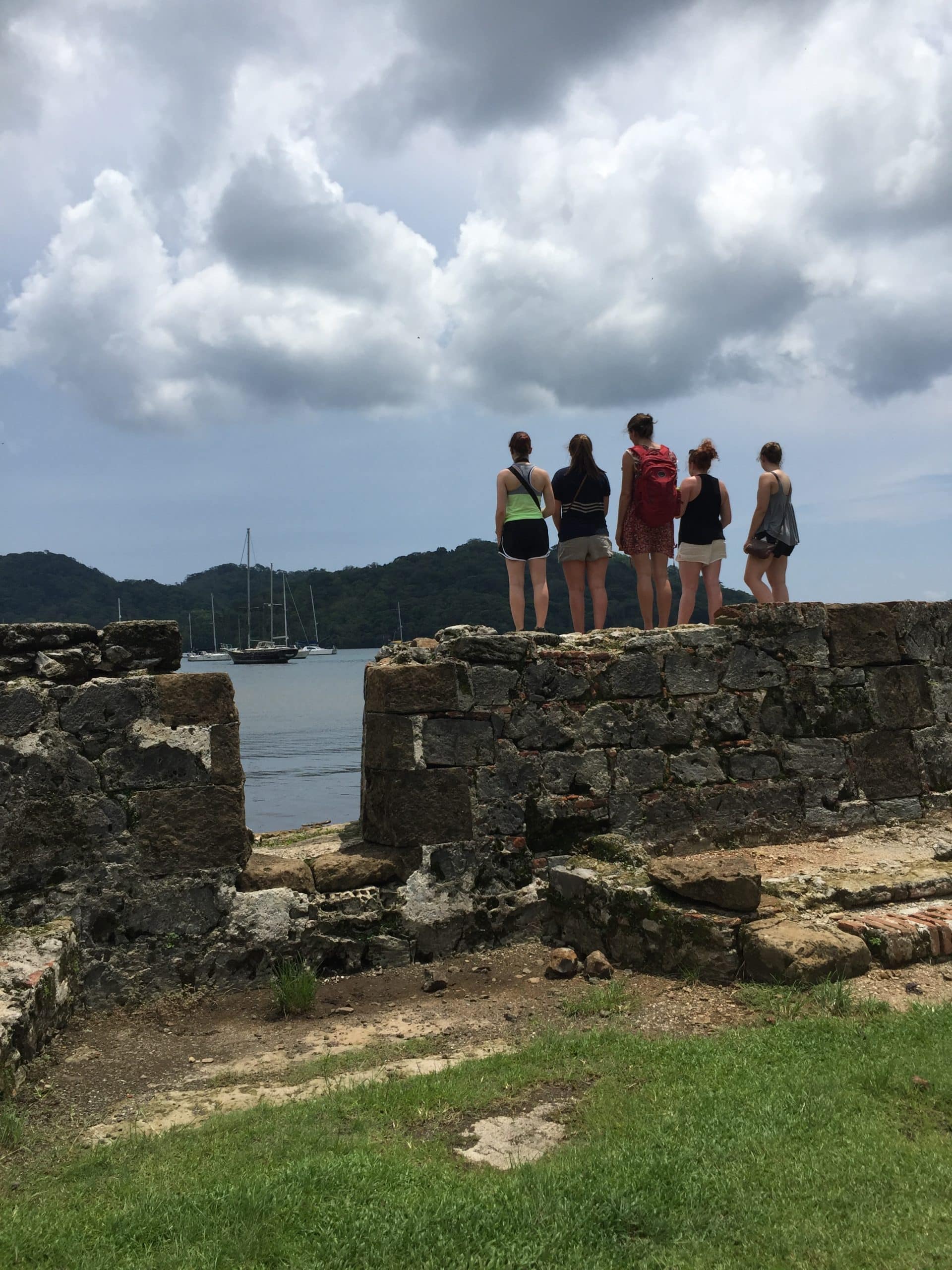
The ruins of a fort built in the 1700s lie deep within the forests of San Lorenzo National Park overlooking the Chagres River and Caribbean.
Porto Belo
Porto Belo was once a storage area for silver that had been mined in the Andes as it awaited ships taking this wealth to Spain.
Osa Penninsula
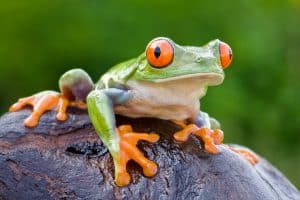
Relatively remote, the tropical rainforests here are some of the most biologically diverse intact ecosystems on the planet. While we will not see a jaguar, its presence as an apex predator can be felt throughout its large range and if we’re fortunate perhaps we’ll see some night footage on a trail cam or footprint telling us that this same icon revered since before the time of the Mayans still shares this forest with us, and many smaller but no less remarkable species like any of the 38 different types of frogs that live in the forest.
Explore
This is a course guided by questions. From the course learning goals centered around questions of what “sustainable development” we develop thematic questions that divide the course into six chapters of inquiry. Each day of the travel component is itself defined by a question that students have the day to gather data to answer in their journals. These journals and these questions are the core of this student driven exploration of inquiry.
Every exploration begins with a question.
Developing towards…?
Before departing students will complete online learning modules asking why have the people of the “developing world” often been left out of decisions about development. To do that we also introduce the natural history, economies and cultures of Costa Rica and Panama.
Before January 1
online

Whose footsteps?
If we are to be effective in understanding a new place we have to recognize how we came to be there. Why are students from US universities in Panama and not the other way around? The Panamanian NGO CEASPA will help link us to the resources of Panama’s Capital that are unparalleled in the ability to welcome and orient students to Central America.
January 2-5
Panama City Panama
How big is small business?
In a route parallel to the Canal we travel North from the Pacific to the Caribbean arriving in the rural community of Achiote. We ask community action group Los Rapaces about the ways that new ecotourism ventures have strengthened the community as a whole.
January 6-8
Costa Abajo Panama
Protect the forest from who?
After crossing the border into Costa Rica we will meet with rangers from La Amistad Transboundary protected area and then the biologists running the privately owned Osa Conservation. We will ask what their very different models have learned from the complicated legacy of development and protected areas.
January 9-11
Osa Peninsula Costa Rica
Is globalization good for you?
Founded on ideals of shared work and communal property, one might not expect the organization ASOPROLA to be this good at capitalism. We will learn how they have participated in vast global markets while remaining very grounded in enviornmentally and socially sustainable practices.
January 12-14
Buenas Aires Costa Rica
Whose future is it anyway?
Our journey ends in the Costa Rica’s Central Valley near San Jose. Here we will combine our data and analysis that we have gathered over two weeks of field work and met with experts from the United Nations mandated University for Peace and consider the future.